Think about the last corporate event you attended. Not the agenda. Not the speakers. The feeling. Did you walk away moved, inspired, or genuinely connected to the people around you? Or did you walk away with a lanyard and a LinkedIn request you will never accept?
The difference between a forgettable event and a transformative one is rarely the budget. It is the emotional architecture – the deliberate layering of storytelling, sensory design, and purpose that turns a scheduled gathering into a shared experience.
This is where the craft of corporate event planning services has fundamentally shifted. The industry is no longer about logistics and production alone. It is about designing moments that mean something. And in 2026, the brands investing in emotionally intelligent events are the ones earning lasting loyalty, deeper engagement, and measurable returns.
Here is how to move your next corporate event from concept to emotion.
The Emotional Economy of Corporate Events
We are living through what behavioural economists call the experience economy – and corporate events sit squarely at its centre. Research consistently shows that people form stronger memories and deeper brand associations through emotional experiences than through information alone.
Consider the data,
– 74% of attendees say they have a more positive opinion of a brand after attending an engaging event.
– Events that incorporate emotional storytelling see up to 65% higher recall compared to standard presentation formats.
– 91% of consumers report feeling more positively about brands that create participatory experiences.
For organisations investing in corporate event planning services, this signals a clear shift. The return on your event spend is no longer measured solely in leads collected or seats filled. It is measured in emotional impact – the kind that influences decisions, builds communities, and drives advocacy long after the event ends.
Pillar 1: Storytelling as Strategic Infrastructure
Every memorable event tells a story. Not a corporate narrative delivered from a stage, but a story the audience lives through – one that unfolds across arrivals, sessions, meals, transitions, and departures.
Building a Narrative Arc
The most effective corporate event planning services approach event design the way a filmmaker approaches a screenplay. Every event needs:
An Opening That Creates Arrival, Not Just Entry
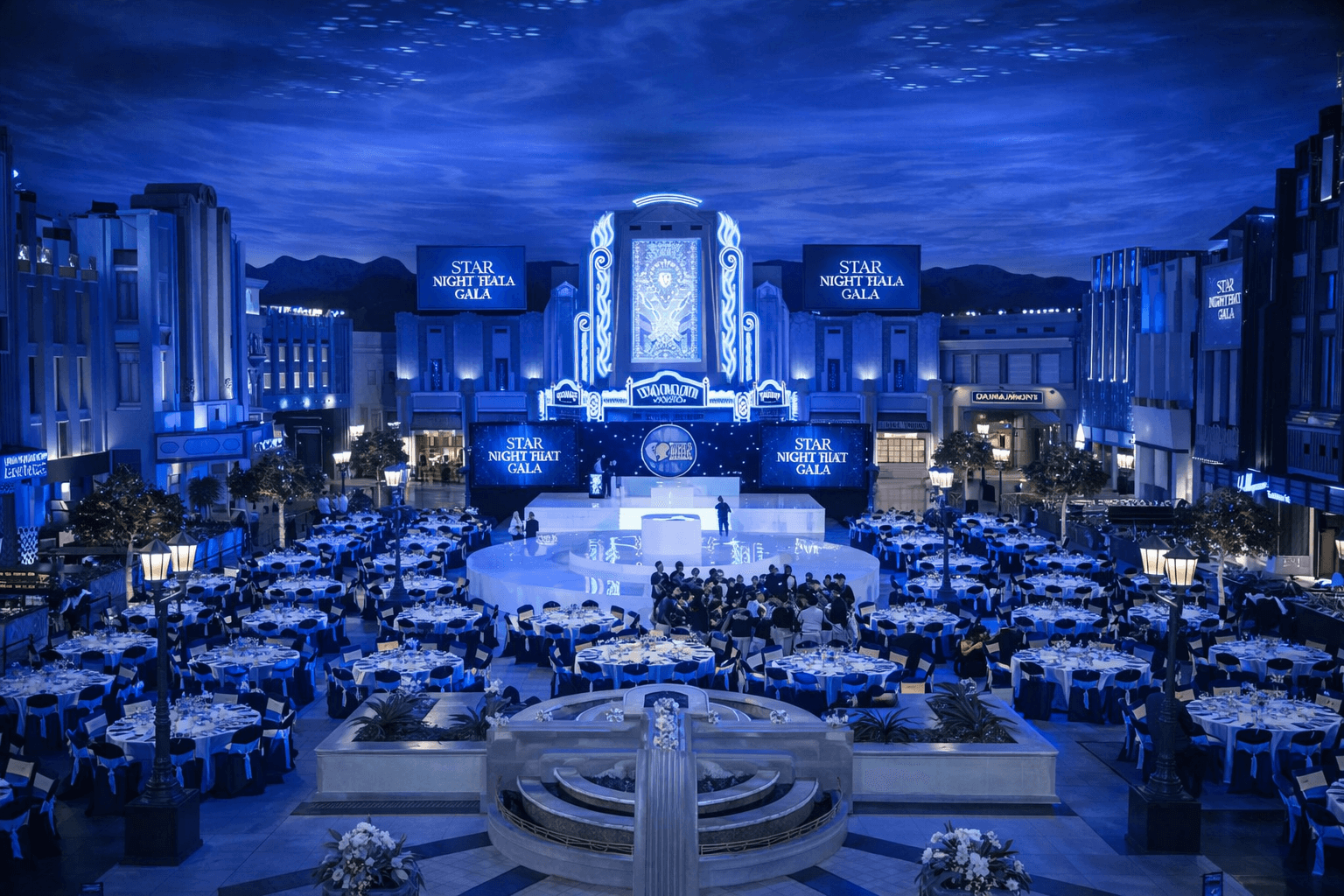
The first 90 seconds shape everything. This is not about a welcome speech. It is about the sensory and emotional cues guests encounter the moment they step through the door – light, sound, scent, human warmth. A striking visual installation. A handwritten welcome note at their seat. A live musician playing something unexpected. The goal is to signal immediately: this is not ordinary.
Rising Action Through Intentional Programming
Each session, activity, or transition should build on the one before it. Vary the energy – a high-intensity keynote followed by a quiet, reflective workshop. A collaborative challenge followed by a shared meal. This rhythm creates emotional momentum, keeping attendees engaged without exhausting them.
A Climactic Moment That Anchors Memory
Design one signature moment that attendees will describe to people who were not there. It might be a surprise performance, a powerful testimonial from someone whose life was changed by the company’s work, or a collective action that unites the room. This is the emotional peak – the moment that transforms attendance into experience.
A Closing That Sends People Forward
End with intention. A rushed thank you for coming deflates everything that came before. A meaningful closing – a letter to take home, a final piece of music, a moment of collective reflection – sends attendees into the world carrying the feeling you built.
Pillar 2: Ambience as an Emotional Language
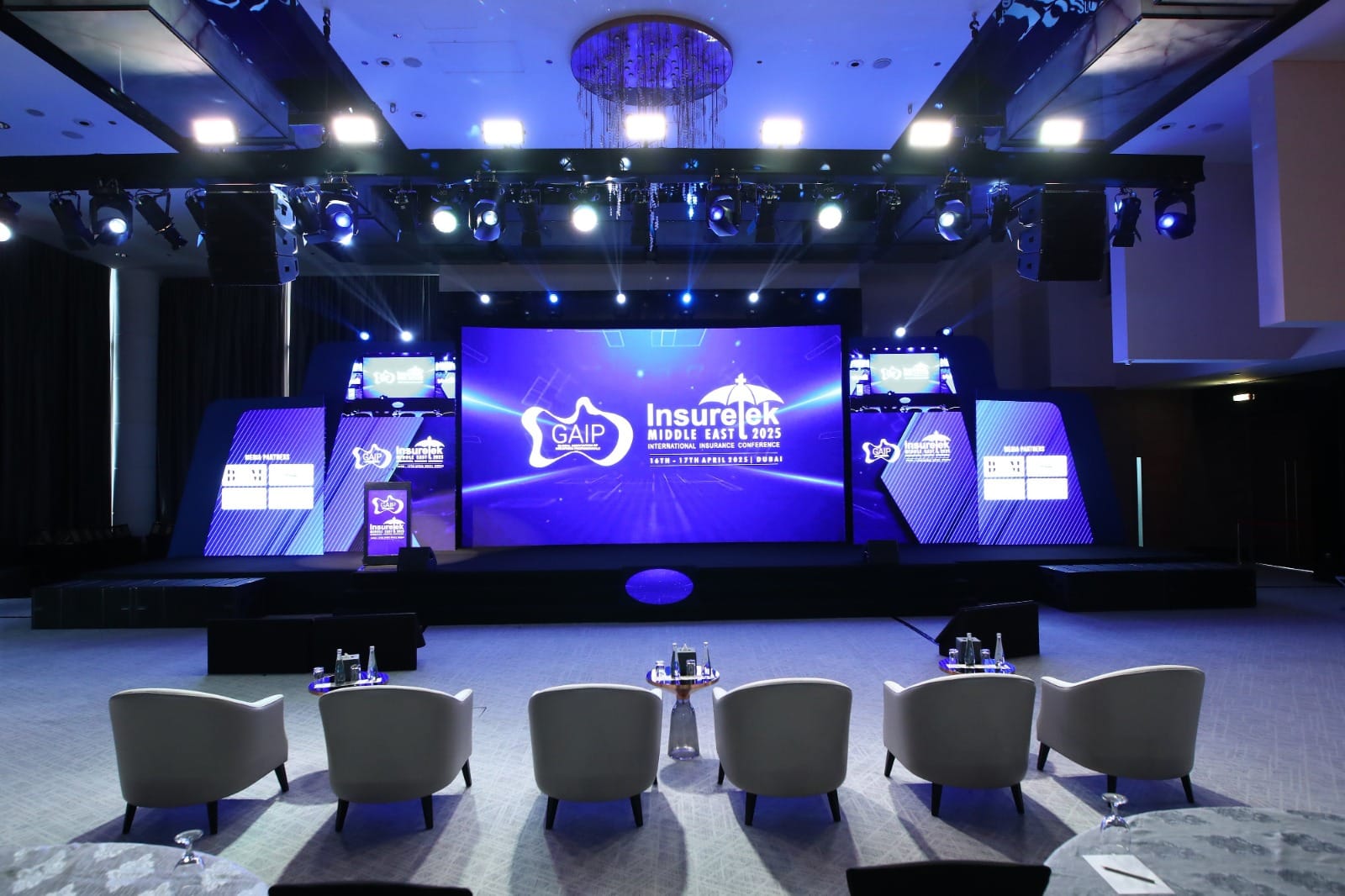
Ambience is not decoration. It is communication. Every element of your event environment speaks to your audience – whether you have planned it to or not. The best corporate event planning services treat sensory design as seriously as content programming.
The Five Senses of Event Design,
Light
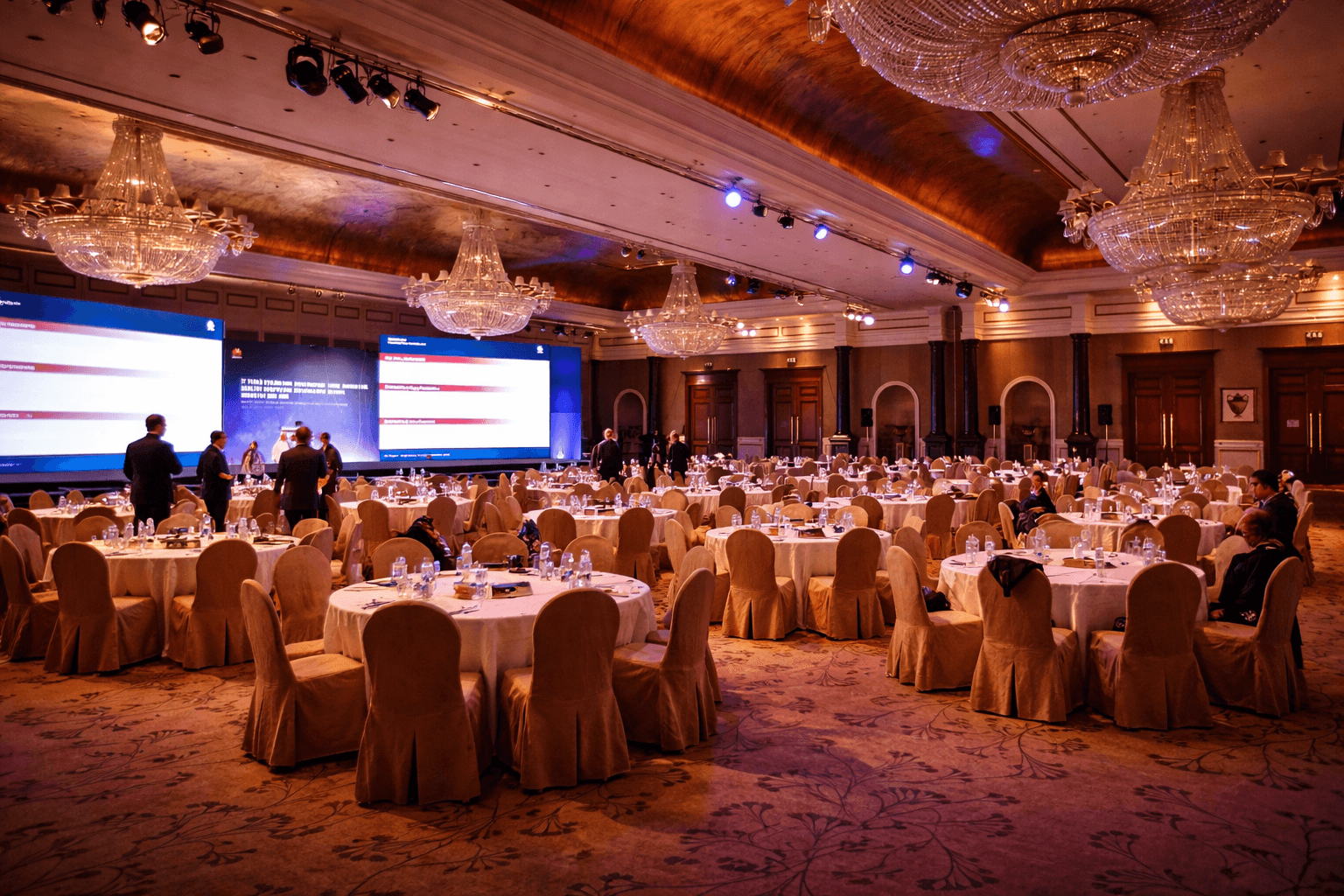
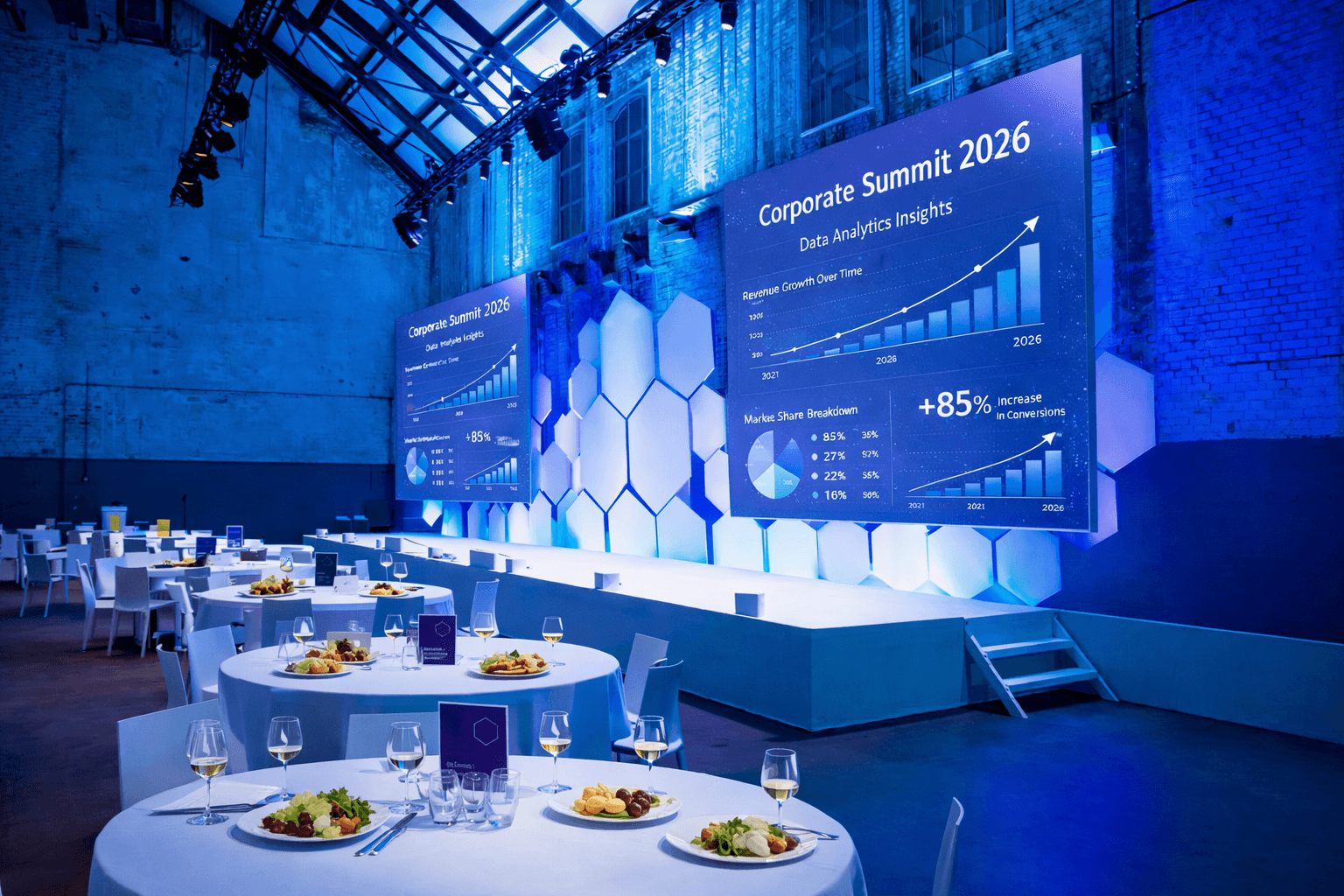
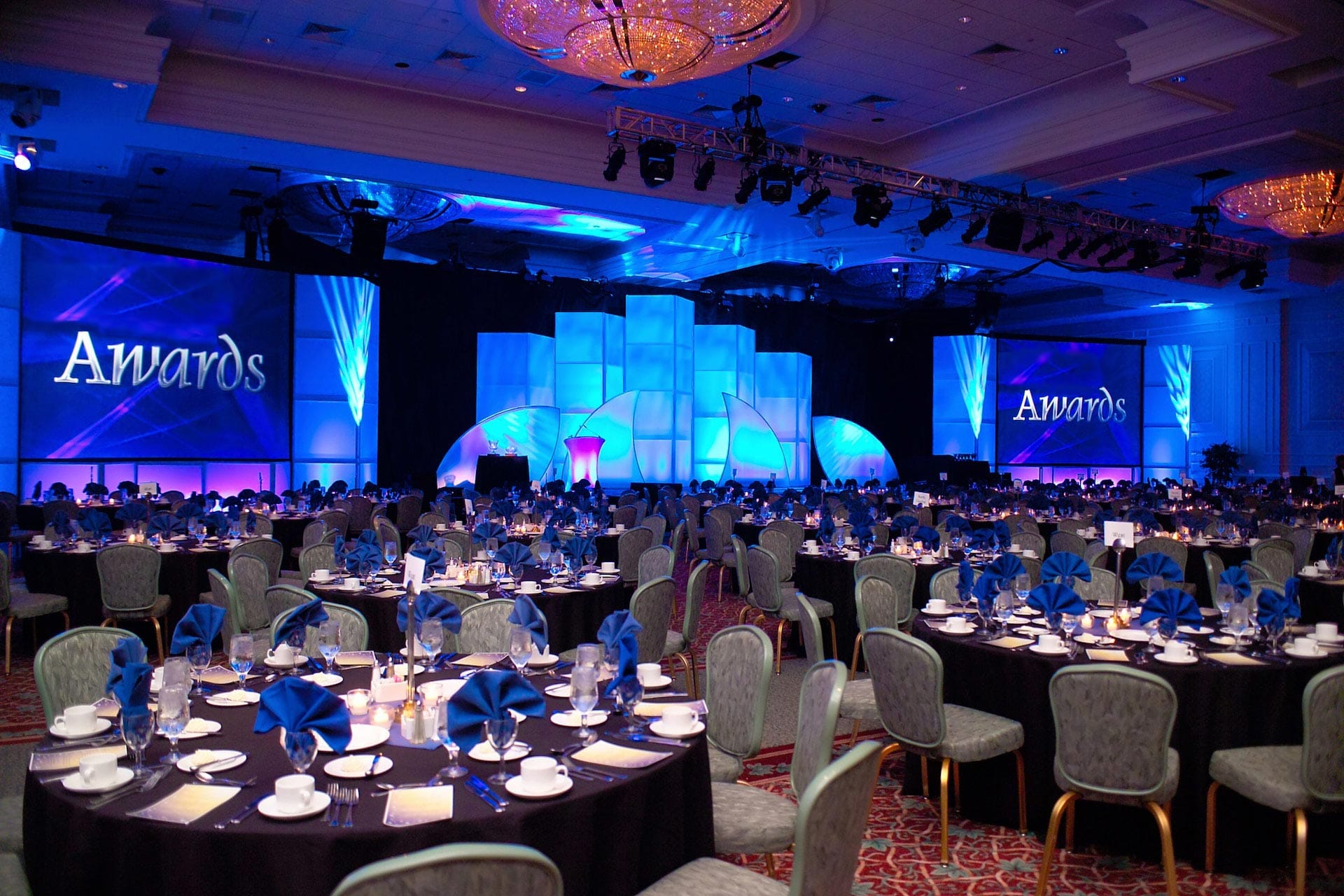
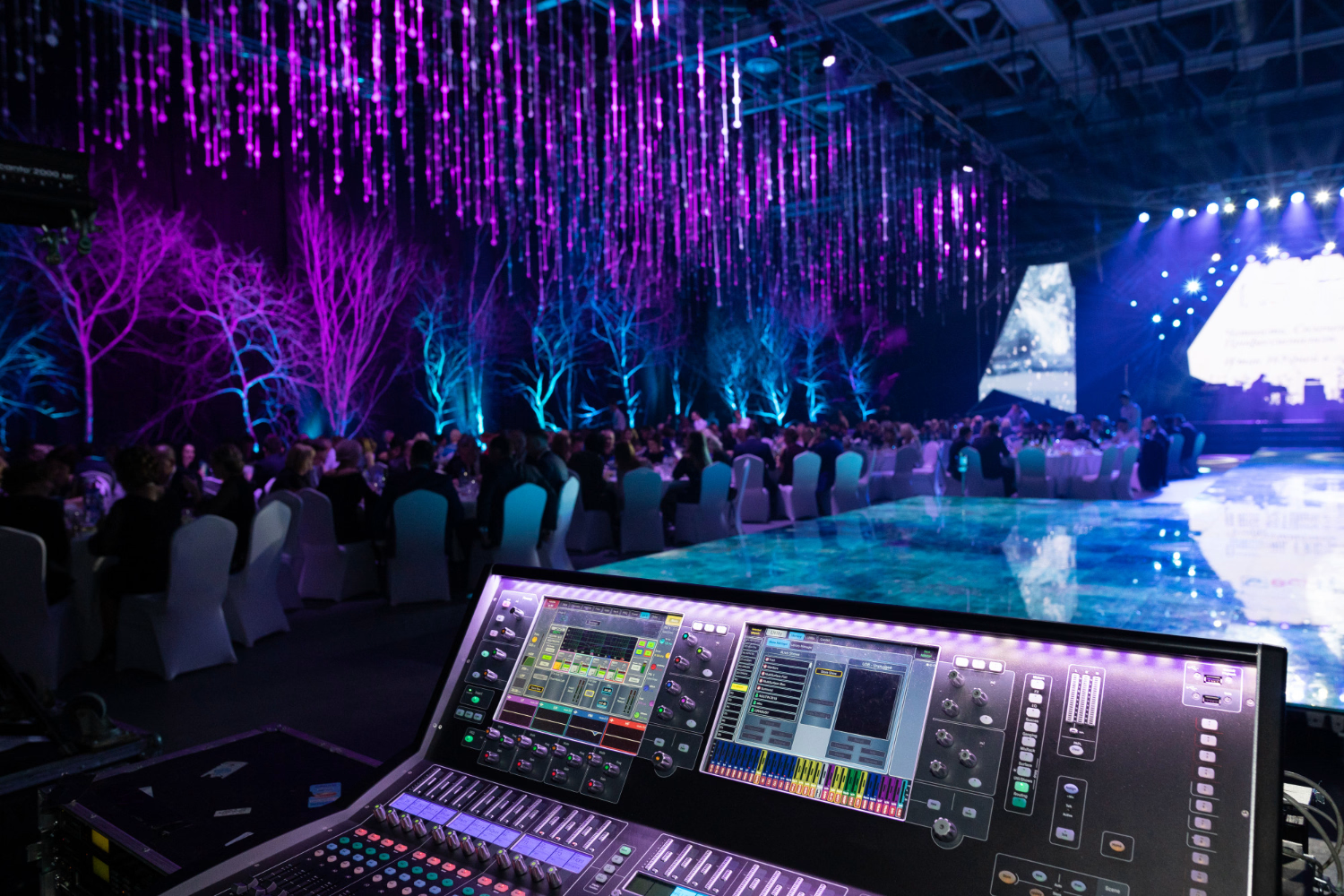
Lighting is the single most underused tool in corporate events. Warm, low lighting creates intimacy and connection. Cool, bright lighting signals energy and focus. Dynamic lighting transitions can shift the emotional tone of a room in seconds without a single word being spoken. Yet most corporate events default to flat, fluorescent overhead lighting that communicates nothing except “conference room.”
Sound
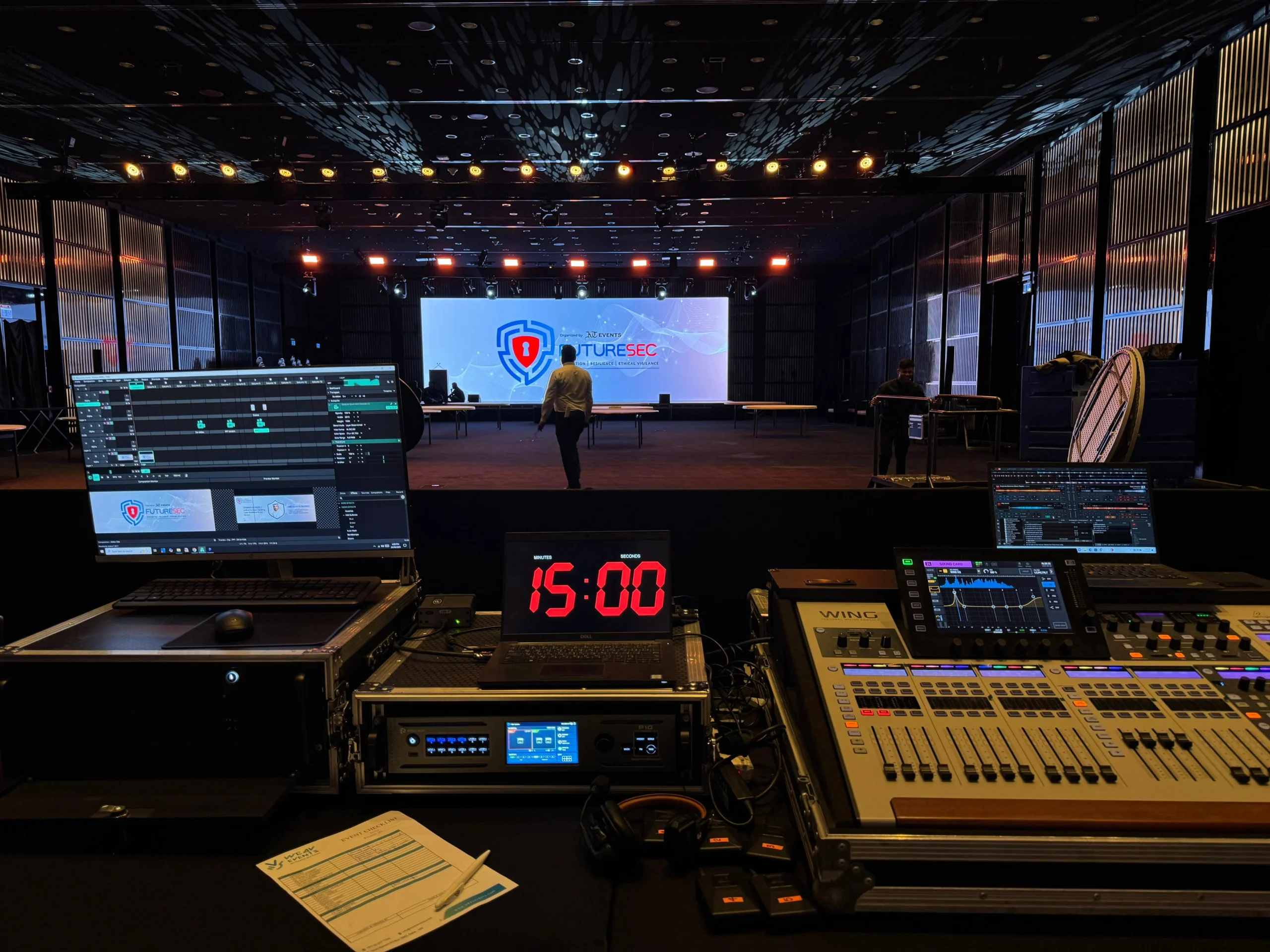
The soundscape of your event begins before the first speaker takes the stage. Curated music during arrivals and transitions sets mood, pace, and cultural tone. Silence, used deliberately, can be more powerful than any soundtrack. The absence of constant background noise allows attendees to actually think and connect.
Scent
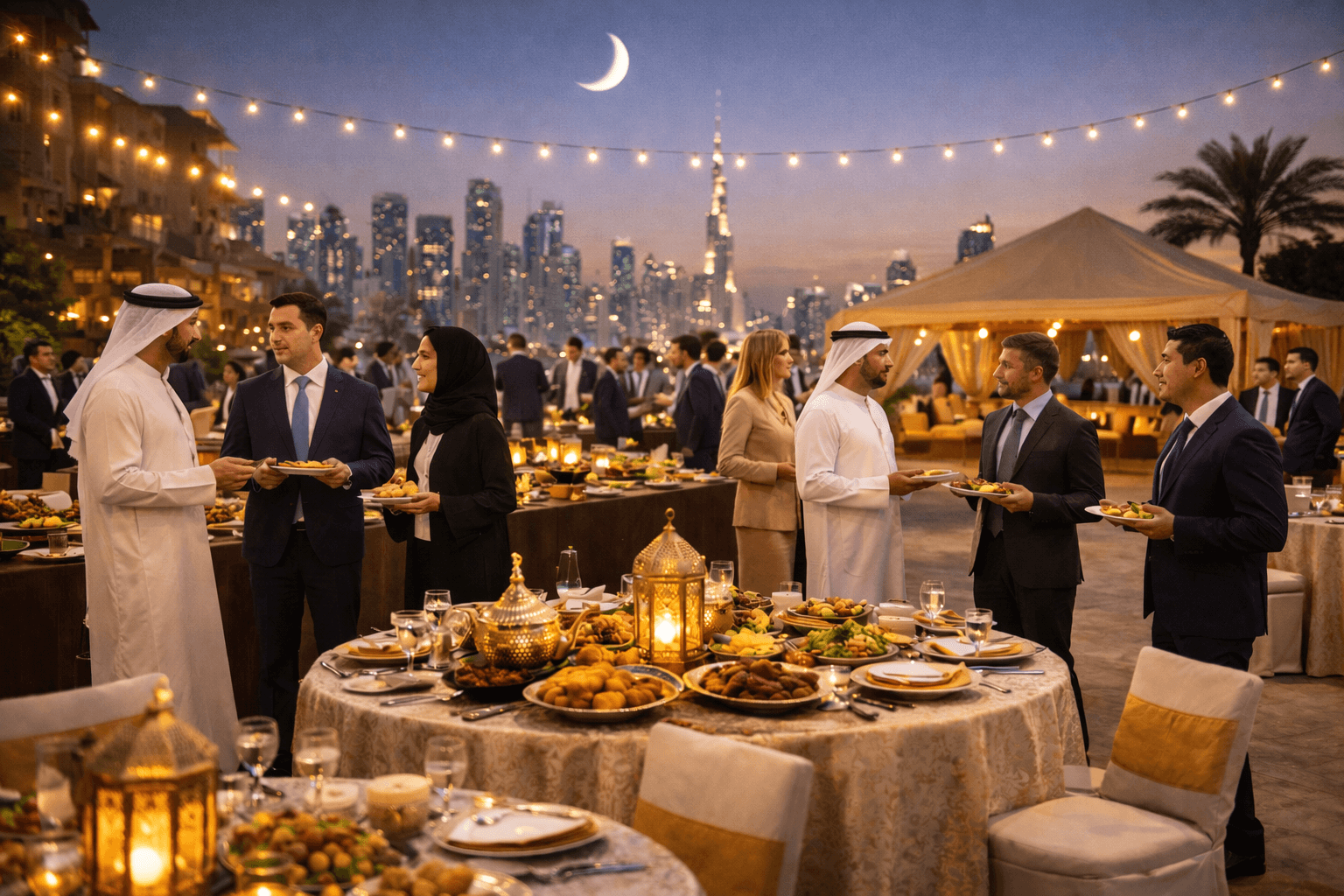
Scent is the sense most directly linked to memory. Incorporating signature fragrances – whether through fresh florals, bespoke diffusers, or culturally meaningful elements like oud and bakhoor – creates a sensory anchor that guests will associate with your brand every time they encounter that scent again.
Texture and Space
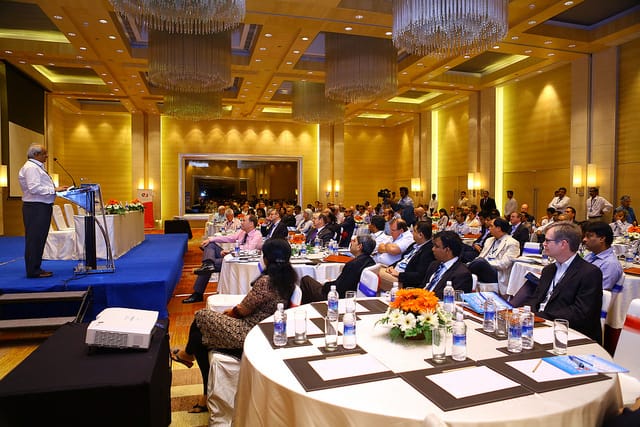
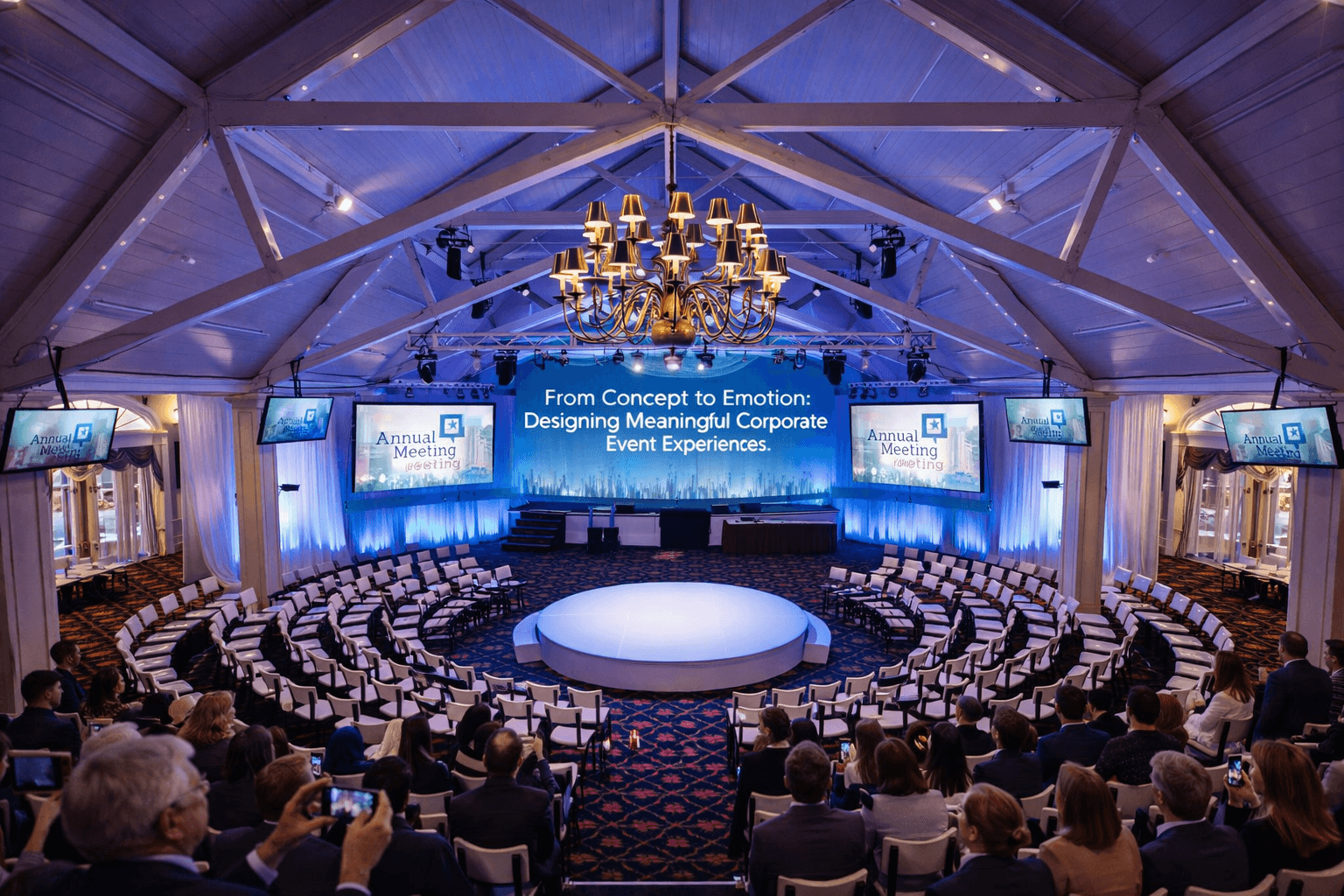
The physical environment shapes behaviour. Round tables encourage conversation. Open layouts inspire movement and spontaneous connection. Natural materials – wood, stone, linen – create warmth. The way a space feels under someone’s hands, the distance between seating, the height of ceilings – these are design decisions that influence emotional states.
Taste
Food at corporate events should never be an afterthought. A thoughtfully curated menu tells a story – about the host’s values, the local culture, or the theme of the event. Interactive food experiences (live cooking stations, chef’s tables, tasting journeys) create conversation, connection, and delight.
Pillar 3: Immersive Elements That Break the Fourth Wall
The most emotionally resonant corporate events dissolve the line between audience and experience. Attendees do not watch – they participate. This is where immersive design transforms passive attendance into active engagement.
Techniques That Create Immersion
Interactive Installations
Physical or digital installations that attendees can touch, contribute to, or change. A collaborative art wall that evolves throughout the event. A digital timeline that grows as attendees add their own milestones. A tactile brand experience that requires hands-on exploration.
Spatial Storytelling
Designing the physical journey through the venue as a narrative. Each room or zone represents a chapter. Moving through the space means moving through the story. This technique works exceptionally well for product launches, brand experiences, and milestone celebrations.
Technology as Emotion, Not Spectacle
Projection mapping, augmented reality, and interactive displays are powerful but only when they serve the story. A projection-mapped sequence that reveals company history while attendees walk through it creates wonder. The same technology used purely for visual spectacle creates a moment of “that was cool” followed by nothing. Purpose first, technology second.
Participatory Moments
Designing structured moments where every attendee contributes something – a written commitment, a shared gesture, a collective creation. These moments generate a sense of belonging and ownership that no keynote can replicate.
Making It Real – A Framework for Emotionally Intelligent Events
If you are evaluating corporate event planning services or designing your next programme internally, here is a practical framework:
1. Start with the Feeling
Before you book a venue or draft an agenda, answer one question: How do we want attendees to feel when they leave? Work backwards from that emotional target.
2. Design the Story
Map the narrative arc – opening, rising action, climax, resolution. Every programming decision should serve this arc.
3. Layer the Senses
Audit every sensory touchpoint. What do guests see, hear, smell, touch, and taste at each phase of the event? Eliminate anything that contradicts your emotional intention.
4. Build in Participation
Identify at least three moments where attendees actively contribute rather than passively observe.
5. Anchor in Purpose
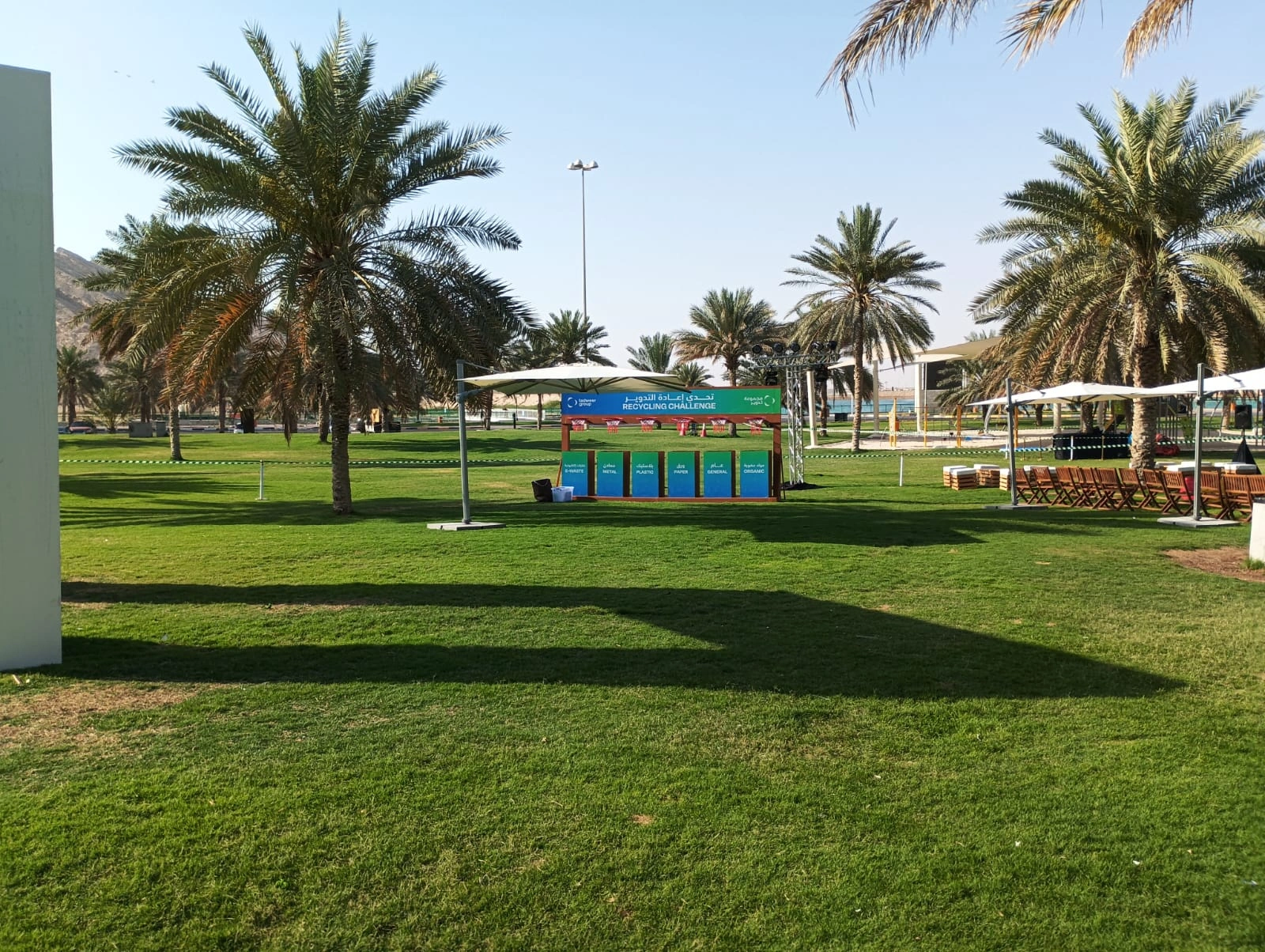
Integrate a social responsibility event element that aligns with your brand values and your audience’s interests. Make it real, make it visible, and make it part of the story.
6. Close with Intention
Design the final 15 minutes as carefully as the opening. The last emotion attendees feel is the one they carry home.
Why We4v Events for Meaningful Corporate Experiences
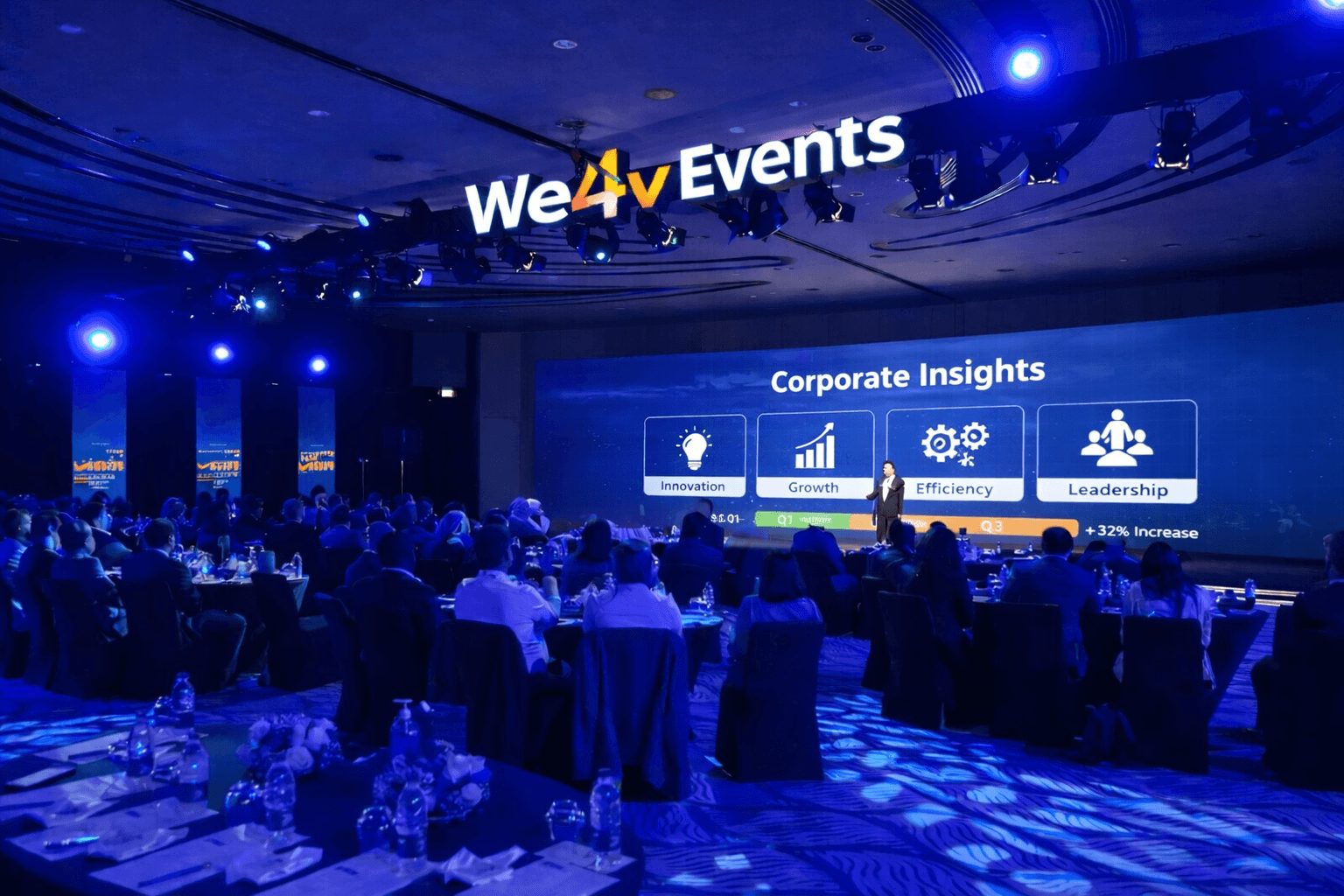
At We4v Events, we believe that every corporate event is an opportunity to create something people carry with them – not in their bags, but in their memory. Our corporate event planning services are built on the principle that logistics serve emotion, not the other way around.
From intimate executive retreats to large-scale conferences and product launches across the UAE and beyond, we design events where storytelling, sensory design, immersive production, and purpose-driven programming work together to deliver experiences that move people.
Whether you are looking to host a social responsibility event that deepens your brand’s community impact or a flagship corporate gathering that redefines what your audience expects, we bring the creative vision and production expertise to make it extraordinary.
Because the events people remember are never the ones that went according to plan. They are the ones that made them feel something they did not expect.